
+86-15712686880 / +86-576-82424800


Views: 0 Author: Site Editor Publish Time: 2026-02-16 Origin: Site


In modern commercial and residential HVAC projects, ceiling conceal duct type fan coil units are widely adopted for their compact structure, quiet operation, and ability to deliver uniform air distribution while remaining visually unobtrusive. However, one technical question frequently arises during system design and installation: when is a drain pump required for a ceiling conceal duct type fan coil unit?
At Taizhou MECO Refrigeration Equipment Co., Ltd., we work closely with HVAC contractors, consultants, and project developers who face this decision across a wide range of applications. Based on real project experience, the use of a drain pump is not universal—but in certain conditions, it becomes a critical component for system reliability and long-term performance.
In this article, we explain when drain pumps are necessary, how they relate to ceiling conceal duct type fan coil unit installations, and what factors engineers should evaluate to avoid drainage problems, water leakage, and maintenance risks.
All fan coil units generate condensate during cooling operation. As warm, humid air passes over the cooling coil, moisture condenses and collects in the drain pan. This water must be discharged safely and continuously.
In traditional installations, condensate is removed using gravity drainage, relying on a natural downward slope toward a nearby drain point. However, ceiling conceal duct type fan coil units are often installed in locations where gravity drainage is difficult or impossible.
This is where drain pumps become relevant.
The most common reason to use a drain pump in a ceiling conceal duct type fan coil unit installation is insufficient vertical drop between the unit’s condensate outlet and the building drainage point. While gravity drainage is always preferred where feasible, many real-world installations simply do not provide the physical conditions required for stable, long-term gravity flow.
Typical situations where gravity drainage becomes unreliable include:
The fan coil unit is installed above a false ceiling with limited installation height
The nearest drainage point is higher than or at the same level as the unit
Long horizontal drain runs make it difficult to maintain a continuous downward slope
Architectural or structural constraints restrict piping routes
In ceiling conceal installations, even a small lack of slope can lead to serious consequences. Condensate water does not drain efficiently, especially during periods of high humidity or continuous cooling operation. Over time, water accumulates in the drain pan, increasing the risk of overflow, ceiling leakage, and moisture-related damage.
Without a drain pump, gravity alone cannot guarantee continuous and predictable water discharge under these conditions. This can result in water dripping into ceiling cavities, damage to interior finishes, corrosion of metal structures, and deterioration of insulation materials. In occupied spaces, stagnant condensate can also contribute to mold growth and poor indoor air quality—issues that are particularly critical in hospitals, hotels, and office environments.
Installation Condition | Drain Pump Requirement | Reason |
Adequate vertical slope available | Not required | Gravity drainage is stable and reliable |
Limited ceiling height | Required | Insufficient slope for gravity flow |
Long horizontal drain piping | Recommended | Reduces clogging and backflow risk |
Drain outlet above unit level | Required | Gravity drainage impossible |
Renovation projects | Often required | Existing drainage constraints |
For ceiling conceal duct type fan coil units installed in hotels, offices, hospitals, and residential apartments, space limitations are a common challenge. Ceiling voids are often shared with lighting, fire protection, cable trays, and other mechanical systems, leaving little flexibility for ideal drainage slopes.
In these environments, drain pumps are frequently the safest and most practical solution. They allow designers and installers to route condensate piping independently of gravity constraints, reducing risk while preserving architectural intent.
High-rise buildings and renovation projects present unique drainage challenges. In many cases, HVAC systems must be integrated into existing structures where floor heights, beam locations, and drainage risers are already fixed.
In retrofit applications, original drainage systems were often designed without considering modern ceiling conceal duct type fan coil units. As a result, available drain points may be located far from the unit or positioned higher than the condensate outlet.
In such environments, drain pumps provide critical advantages:
Flexible condensate discharge routing, allowing water to be lifted and redirected as needed
Reduced dependency on building drainage layout, enabling HVAC installation without structural modification
Protection against water accumulation in concealed ceiling spaces
From our experience, ceiling conceal duct type fan coil units paired with properly selected drain pumps significantly reduce commissioning delays, corrective work, and post-installation service calls in renovation projects. Drain pumps help eliminate trial-and-error slope adjustments and allow systems to be commissioned with greater confidence.
One of the most common concerns regarding drain pumps is noise. In concealed installations—especially in hotels, residential apartments, and healthcare facilities—acoustic comfort is a key performance requirement.
Modern drain pumps designed specifically for fan coil units typically incorporate:
Low-noise motors optimized for intermittent operation
Vibration-isolated mounting designs
Compact dimensions suitable for ceiling installation
When correctly specified and installed, a drain pump does not compromise the quiet operation that makes ceiling conceal duct type fan coil units attractive in the first place. In many cases, the pump operates only when condensate reaches a predefined level, minimizing runtime and audible impact.
Reliability is equally important. High-quality drain pumps are equipped with built-in safety mechanisms, such as float switches or overflow protection circuits. These systems can automatically stop cooling operation if drainage fails, preventing condensate overflow and protecting both the HVAC equipment and the building interior.
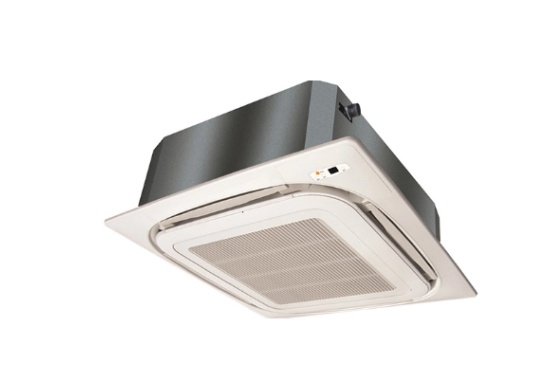
Using a drain pump introduces additional components into the HVAC system, but it also enhances operational safety and design flexibility. From an engineering perspective, the trade-off is often favorable.
Design implications include:
Electrical connection for the pump
Sufficient access space for inspection and servicing
Integration with the fan coil unit’s control logic
These considerations should be addressed during the design phase rather than treated as afterthoughts during installation.
Maintenance considerations include:
Periodic inspection of pump operation
Cleaning of float switches and condensate trays
Verification of discharge piping and check valves
Compared to the potential cost of ceiling repairs, equipment replacement, and operational downtime caused by water damage, these maintenance requirements are minimal. Over the full lifecycle of the system, drain pumps often reduce total ownership cost by preventing failures rather than adding significant service burden.
In theory, gravity drainage is simple and reliable. In practice, ceiling conceal duct type fan coil units are often installed in environments where ideal conditions do not exist. Ceiling height limitations, architectural design priorities, and renovation constraints frequently make gravity drainage insufficient.
In these cases, drain pumps are not a compromise—they are an engineering solution that aligns HVAC performance with real-world building conditions. When properly selected and integrated, drain pumps improve system reliability, protect building assets, and support long-term operational stability.
From a lifecycle perspective, the decision to use a drain pump should be based on risk management rather than cost alone. A small upfront investment in proper drainage can prevent significant downstream issues, making drain pumps a practical and responsible choice in many modern HVAC projects.
Ceiling conceal duct type fan coil units are selected for their flexibility in architectural design. Drain pumps complement this flexibility by removing drainage constraints.
Together, they allow:
Greater freedom in unit placement
Cleaner ceiling aesthetics
Reduced risk of hidden leaks
Stable long-term operation
This combination is particularly valuable in projects where HVAC performance must coexist with strict interior design requirements.
So, when should you use drain pumps in ceiling conceal duct type fan coil units?
The answer depends on installation height, drainage slope, piping distance, and architectural constraints. Whenever gravity drainage cannot be guaranteed, a drain pump becomes essential for safe and reliable operation.
By properly evaluating drainage conditions during the design phase, project teams can avoid leaks, reduce maintenance issues, and protect building interiors. Ceiling conceal duct type fan coil units, when paired with appropriate drainage solutions, deliver both performance and peace of mind.
If you are planning an HVAC project and need guidance on ceiling conceal duct type fan coil unit configurations and drainage solutions, we invite you to learn more or contact Taizhou MECO Refrigeration Equipment Co., Ltd. for professional support.
Q1: Do all ceiling conceal duct type fan coil units need drain pumps?
No. Drain pumps are only required when gravity drainage cannot be reliably achieved.
Q2: What happens if a drain pump is not installed when needed?
Condensate may overflow, causing ceiling damage, mold growth, and system shutdowns.
Q3: Are drain pumps noisy in ceiling installations?
Modern drain pumps are designed for low-noise operation and typically run intermittently.
Q4: Can drain pumps be integrated into fan coil units?
Yes. Many ceiling conceal duct type fan coil units support integrated or external drain pump options.