
+86-15712686880 / +86-576-82424800


Views: 0 Author: Site Editor Publish Time: 2025-12-15 Origin: Site


When it comes to creating a comfortable and efficient indoor environment, selecting the right heating and cooling systems is paramount. One such essential system is the ducted fan coil unit. These units are crucial components in heating, ventilation, and air conditioning (HVAC) systems, offering energy-efficient solutions for both commercial and residential buildings. However, choosing the right ducted fan coil unit for your building can be a daunting task, especially considering the variety of models and features available on the market.
A ducted fan coil unit (FCU) is a type of HVAC system used for both heating and cooling purposes. These units use a fan to circulate air over coils that are either heated or chilled by water. The fan coil unit is connected to a central air distribution system (ductwork), which helps distribute conditioned air throughout the space. These systems are typically used in commercial buildings, offices, hotels, and large residential complexes.
Ducted fan coil units are favored for their energy efficiency, flexibility, and quiet operation. They can be installed in ceilings or under floors, making them a discreet and space-saving solution for maintaining indoor comfort. However, choosing the right unit requires considering various factors to ensure it aligns with the building’s requirements.
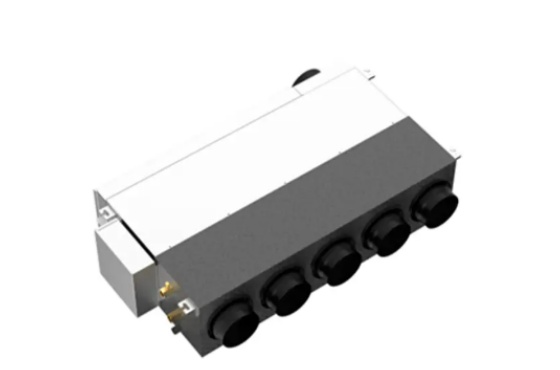
The first step in selecting the right ducted fan coil unit is understanding the cooling and heating load requirements for your space. The capacity of the unit determines how much air it can condition at a time, ensuring that each room or area receives the necessary airflow to maintain comfortable temperatures.
Factors to Consider:
Room Size: Larger spaces, such as open-plan offices, conference rooms, or large living areas, require fan coil units with a higher capacity. These units are designed to handle the larger volume of air and heat or cool the space effectively. In contrast, smaller rooms like bedrooms or small offices can be managed with smaller units that have lower heating and cooling outputs. For example, a spacious office may require a unit capable of producing 5,000-7,000 BTUs (British Thermal Units), while a smaller room may only need around 1,000-2,000 BTUs.
Insulation: The level of insulation in your building will directly affect the capacity of the unit. Well-insulated buildings, which retain heat in winter and cool air in summer, will need smaller units. However, buildings with poor insulation will need larger units to compensate for heat loss during winter or excessive heat gain during the summer. Insulation improvements can help reduce the required capacity of the system and lead to more efficient operation.
Heat Gain or Loss: External factors such as windows, sunlight exposure, and external temperatures also impact the heating and cooling needs of a building. Rooms that receive high sun exposure throughout the day will naturally experience greater heat gain, requiring larger cooling capacity. On the other hand, rooms located in colder climates or in buildings that face the shaded side may need fan coil units with sufficient heating capacity to maintain a comfortable temperature. A building’s overall orientation and window size should be taken into account when choosing a unit to balance heat loss or gain.
Importance of Load Calculations:
To make an accurate decision, it’s essential to perform a load calculation to determine the precise heating and cooling needs for each room or area. Working with an HVAC professional to perform this calculation ensures that the unit selected will deliver the optimal performance and energy efficiency for your specific space.
Airflow plays a critical role in how effectively your ducted fan coil unit can distribute conditioned air throughout the space. The unit’s airflow rate determines the evenness of temperature distribution, ensuring that all parts of the room are adequately heated or cooled.
Factors to Consider:
Airflow Capacity: Fan coil units come with various airflow capacities, typically measured in CFM (Cubic Feet per Minute). Higher airflow ensures that the unit can distribute air throughout the room quickly and efficiently. A unit with insufficient airflow may struggle to maintain the desired temperature, leading to hot or cold spots in the room. Choose a fan coil unit that provides adequate CFM for your building’s size, ensuring even air distribution and temperature regulation.
Ductwork Compatibility: The design and size of your building’s ductwork will significantly affect the airflow efficiency. Ensure that the fan coil unit you select is compatible with the existing duct system. If the ducts are too small or obstructed, the unit will be less effective in circulating air. Regular maintenance of the duct system, such as sealing leaks and removing obstructions, can improve airflow and overall performance.
Distribution Efficiency: Proper air distribution ensures that every corner of the room receives consistent air circulation. Fan coil units should be selected based on how they work with the ductwork to avoid air stagnation or uneven cooling and heating. The use of strategically placed supply and return air outlets can enhance air distribution, helping to maintain balanced comfort levels.
In today’s energy-conscious world, choosing an energy-efficient ducted fan coil unit is essential not only for reducing operating costs but also for minimizing the environmental impact of your HVAC system. Energy-efficient units use advanced technologies to consume less energy while providing the same or better performance.
Factors to Consider:
Seasonal Energy Efficiency: When evaluating energy efficiency, look for units with high SEER (Seasonal Energy Efficiency Ratio) ratings for cooling and HSPF (Heating Seasonal Performance Factor) ratings for heating. These ratings measure how effectively a unit converts energy into conditioned air over an entire season. The higher the SEER or HSPF, the more energy-efficient the unit is, which will reduce your electricity costs.
Variable Fan Speed: Units equipped with variable-speed fans are more energy-efficient than those with single-speed fans. Variable-speed systems adjust their fan speed according to the cooling or heating needs of the space. This means that the unit operates at lower speeds when full capacity isn’t required, reducing energy consumption during less demanding times. A variable-speed fan also reduces noise levels, contributing to a more comfortable environment.
Inverter Technology: Modern fan coil units equipped with inverter technology adjust their compressor speed to match the required heating or cooling load in real-time. Unlike traditional systems that turn on and off, inverter-driven units maintain a more consistent output, resulting in energy savings and quieter operation. The ability to modulate the power consumption based on real-time conditions ensures the system runs as efficiently as possible.
By choosing a fan coil unit with high seasonal efficiency ratings and features like variable-speed fans and inverter technology, you can ensure that your building’s HVAC system runs efficiently, reducing both energy bills and your carbon footprint.
Noise is an important consideration in choosing the right fan coil unit, especially for spaces where a quiet environment is required, such as offices, meeting rooms, or bedrooms. While fan coil units are generally quieter than traditional HVAC systems, noise levels can still vary significantly between different models.
Fan Noise: Look for units that feature low-noise fans or those with sound-dampening technology. Some models offer silent operation, which is ideal for spaces where a peaceful atmosphere is essential.
Design Features: The design of the fan coil unit can also affect the noise level. Units with well-designed fan housings and vibration isolation systems tend to produce less noise during operation.
Make sure to review the manufacturer’s specifications for the unit’s noise levels, typically measured in decibels (dB), to ensure that it meets your building’s requirements.
The ease of installation and maintenance is another factor to consider when selecting a ducted fan coil unit. Some units are easier to install and maintain than others, depending on their design and complexity.
Installation Requirements: Choose a unit that fits well within your existing HVAC system or ductwork. Consider the space available for installation, and ensure the unit’s size and design are compatible with the layout of your building.
Maintenance Needs: Look for units that are easy to maintain, with accessible filters, condensate drains, and fan components. Regular maintenance is essential to ensure the system operates efficiently and lasts for years.
Units with self-diagnostic features or filter indicators can also help streamline maintenance by alerting you when service is required.
Selecting the right ducted fan coil unit is essential to ensuring comfort, energy efficiency, and long-term savings in your building. Factors such as cooling and heating capacity, airflow, energy efficiency, noise levels, and installation requirements should all be carefully considered. By evaluating these aspects, you can make an informed decision that aligns with your building’s unique needs.
At Taizhou MECO Refrigeration Equipment Co., Ltd., we offer a range of high-quality ducted fan coil units designed to meet diverse requirements, whether you’re outfitting a commercial office, a residential complex, or an industrial facility. Our units are engineered for efficiency, reliability, and quiet operation, ensuring your HVAC system delivers optimal performance.