
+86-15712686880 / +86-576-82424800


Views: 0 Author: Site Editor Publish Time: 2026-02-06 Origin: Site


In modern commercial and industrial HVAC systems, ceiling conceal duct type fan coil units have become a preferred solution for projects that demand quiet operation, flexible air distribution, and clean architectural integration. From hotels and hospitals to office buildings and manufacturing facilities, these systems deliver efficient temperature control while remaining completely hidden above ceilings.
However, as HVAC applications grow more complex and environmental expectations rise, system reliability and moisture management have become increasingly important. One design enhancement that is gaining attention is the use of extended water trays in ceiling conceal duct type fan coil units.
In this article, we explain why extended water trays matter, how they improve system performance, and why they are a smart investment for long-term HVAC operation.
In cooling mode, fan coil units remove heat and humidity from indoor air. As warm, moist air passes over cold coils, moisture condenses and must be collected and drained safely.
If condensate is not properly managed, it can lead to:
Water leakage into ceilings or walls
Mold and bacterial growth
Damage to insulation and finishes
Increased maintenance and repair costs
This is especially critical for ceiling conceal duct type fan coil units, where leaks are hidden and often discovered only after damage has occurred.
An extended water tray is an enlarged or elongated condensate collection pan designed to capture water more effectively than standard trays used in conventional fan coil units. While traditional condensate pans are often sized only to match the footprint of the cooling coil, extended water trays are intentionally designed with additional coverage to account for real-world operating conditions.
Typically, an extended water tray:
Covers a wider area beneath and around the coil assembly
Extends beyond primary airflow zones where condensation may occur
Improves drainage efficiency under varying load and humidity conditions
In ceiling conceal duct type fan coil units, extended water trays are not treated as optional accessories or aftermarket add-ons. Instead, they are engineered as an integrated part of the unit’s internal structure, ensuring compatibility with airflow design, coil placement, and drainage systems from the outset.
This integrated approach is especially important for concealed installations, where visual inspection is limited and long-term reliability depends heavily on preventive design rather than reactive maintenance.
In real-world HVAC operation, conditions are rarely stable or predictable. Variations in airflow velocity, indoor humidity levels, seasonal temperature changes, and fluctuating cooling loads all influence how and where condensation forms inside a fan coil unit. While standard condensate trays are typically designed to collect water directly beneath the coil, actual condensate behavior often extends beyond this limited area.
In ceiling conceal duct type fan coil units, airflow patterns may shift due to duct layout, static pressure changes, or partial-load operation. Under such conditions, moisture can form along coil edges, downstream airflow paths, or secondary surfaces—areas that standard trays may not fully cover.
Extended water trays address these challenges by:
Capturing condensate across a broader surface area
Reducing splash-back caused by high air velocity or turbulent airflow
Preventing overflow during peak humidity periods or sudden load changes
This enhanced collection efficiency ensures stable and predictable drainage performance even under demanding operating conditions. It is particularly critical in tropical climates, coastal regions, or high-occupancy environments such as hotels, shopping malls, and conference facilities, where humidity loads can fluctuate rapidly throughout the day and exceed design averages.
Because ceiling conceal duct type fan coil units are installed above finished ceilings, any condensate leakage often remains hidden until visible damage appears. By that point, the consequences may already include stained ceiling panels, sagging gypsum boards, damaged insulation, or corrosion of nearby electrical components.
Extended water trays play a preventive role by creating a secondary safety margin for condensate management. They help mitigate risks by:
Preventing water from dripping onto ceiling surfaces
Protecting lighting systems, wiring, fire detection devices, and insulation layers
Reducing the likelihood of costly ceiling repairs and tenant complaints
For commercial buildings, these benefits translate directly into reduced liability exposure, fewer emergency maintenance interventions, and improved tenant satisfaction. From a facility management perspective, preventing water damage is not just a technical concern—it is a critical operational and reputational issue.
Standard condensate pans may perform adequately under ideal laboratory conditions, but real installations often involve less predictable operating scenarios. Over time, standard trays may struggle when exposed to:
Continuous cooling operation in warm climates
Partial-load or intermittent usage that affects drainage consistency
Irregular airflow patterns caused by complex duct configurations
Extended water trays offer greater tolerance to these variations. Their expanded design allows the fan coil unit to maintain consistent condensate control across a wider range of operating conditions. By accommodating uneven condensation patterns and temporary surges in moisture production, extended trays reduce stress on drainage outlets and minimize the risk of blockage or overflow.
The result is a more resilient system with:
Fewer service calls
Fewer user complaints
Longer overall equipment lifespan
These outcomes align closely with the priorities of facility managers, building owners, and project developers seeking reliable, low-maintenance HVAC solutions.
Standing water or incomplete drainage inside HVAC equipment creates ideal conditions for bacteria growth, mold formation, and unpleasant odors. In concealed fan coil installations, these hygiene issues can persist unnoticed while gradually degrading indoor air quality.
By improving water collection and drainage flow, extended trays:
Reduce stagnant water accumulation inside the unit
Improve internal cleanliness and reduce biological growth risk
Support healthier indoor air environments
This advantage is especially important for hospitals, healthcare facilities, hotels, and clean commercial spaces where hygiene standards are strict and occupant comfort is non-negotiable. In such environments, extended water trays contribute indirectly but significantly to overall indoor environmental quality.
Design Aspect | Standard Tray | Extended Water Tray |
Condensate coverage | Limited | Expanded |
Overflow resistance | Moderate | High |
Suitability for high humidity | Limited | Excellent |
Leak prevention | Basic | Enhanced |
Maintenance frequency | Higher | Lower |
The concealed nature of ducted fan coil units makes enhanced condensate management not merely a value-added feature, but a practical necessity. Extended water trays provide an additional layer of protection that aligns with the expectations of modern commercial HVAC projects, where reliability, safety, and long-term performance are equally important.
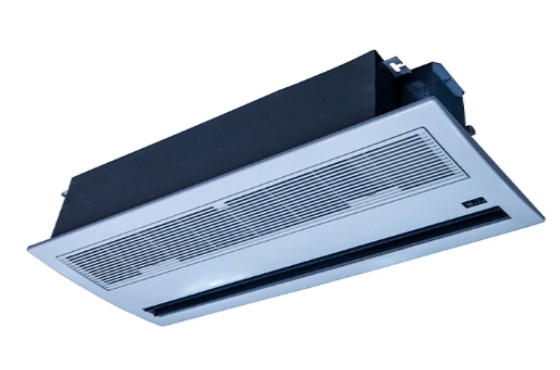
Extended water trays are especially recommended for environments where reliability, hygiene, and lifecycle cost control are critical, including:
Hotels and serviced apartments
Office buildings and large commercial complexes
Hospitals and healthcare facilities
Data rooms and control centers
High-humidity industrial environments
In these applications, ceiling conceal duct type fan coil units equipped with extended water trays deliver greater operational security, reduced maintenance burden, and improved long-term performance. For building owners, consultants, and engineers, this design choice provides peace of mind and predictable system behavior throughout the equipment’s service life.
When integrating extended trays, professional manufacturers focus on:
Corrosion-resistant materials
Proper slope for complete drainage
Easy access for inspection and cleaning
Compatibility with duct layout and airflow design
At Taizhou MECO Refrigeration Equipment Co.,Ltd., we engineer extended water trays as part of a holistic system design, ensuring they support both performance and durability.
Although extended water trays may slightly increase initial unit cost, they significantly reduce:
Ceiling repair expenses
Emergency maintenance visits
Mold remediation costs
Tenant or occupant complaints
Over the life of a building, this design choice delivers a strong return on investment.
Adding extended water trays to ceiling conceal duct type fan coil units is a practical and forward-thinking design decision. By improving condensate management, reducing leak risks, and enhancing system reliability, extended trays protect both the HVAC system and the building itself.
At Taizhou MECO Refrigeration Equipment Co.,Ltd., we design ceiling conceal duct type fan coil units with real-world operating conditions in mind. Our solutions prioritize durability, hygiene, and long-term performance. If you are planning or upgrading an HVAC project, we welcome you to contact us to explore how our engineered fan coil solutions can support your needs.
1. Do all ceiling conceal duct type fan coil units need extended water trays?
Not all projects require them, but extended trays are highly recommended for high-humidity or continuous-operation environments.
2. Can extended water trays reduce maintenance costs?
Yes. Improved condensate control reduces leaks, mold growth, and emergency service calls.
3. Are extended trays compatible with existing duct designs?
When properly engineered, extended trays integrate seamlessly with standard duct layouts.
4. Are extended water trays difficult to clean?
No. Well-designed trays allow easy access for inspection and routine cleaning.